Why Reviews are Important for Amazon Success: 5 Key Insights Every Seller Should Know
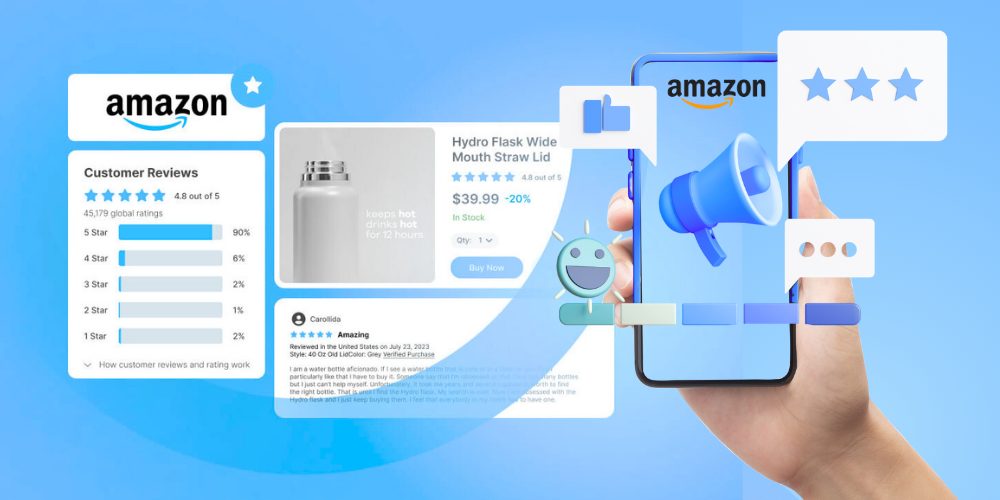
Quick answer: Amazon reviews matter because Amazon’s A10 algorithm treats them as a trust signal that directly influences search ranking, and because most shoppers won’t buy without checking them first. Only verified purchases (or unverified reviews backed by a photo, video, or comment) count toward your visible rating and Amazon actively flags reviews it suspects are incentivized, traded, or written by people connected to the seller.
Amazon’s algorithm is watching everything about your product and reviews are one of the loudest signals it listens to. There’s been plenty of noise around “hacks” for getting more good reviews, but most of them free products for family and friends, discount-for-review swaps violate Amazon’s policies and put your account at risk. Only genuine reviews reflecting real customer experience count with Amazon.
Sellers increasingly understand this because they can see the direct line from ratings to sales. This guide covers who’s eligible to leave a review, why ratings carry so much weight with Amazon’s algorithm, what actually drives review volume, and how to earn more the right way whether you’re a new seller or an established e-commerce brand.
In this guide:
- Who’s actually eligible to leave a review, and what counts toward your rating
- Why reviews move your Amazon rankings and sales
- What really affects how many reviews you get
- Ethical ways to get more reviews and the tactics that get accounts suspended
- How RB2F helps sellers turn better reviews into sustained marketplace growth
Who Can Leave Amazon Reviews? What Actually Counts
Not every customer can review every product, and not every review counts toward your visible rating. Amazon’s strict guidelines exist specifically to keep fake and incentivized reviews out of the system.
- Check your order history a “Write a product review” or “Leave Seller Feedback” button confirms you’re eligible.
- Bought from an external seller? You can still leave a rating on the matching Amazon listing, but it won’t count toward the overall star rating.
- Only verified purchases contribute to your overall rating, unless an unverified review is backed by a comment, photo, or video.
Amazon’s algorithm knows the difference between what counts and what doesn’t and it’s built specifically to catch attempts to game that difference.
Internal link suggestion: Anchor text “handling negative reviews the right way” → Navigating the Negativity: Flipkart Seller Reputation guide (kept from original still relevant, cross-marketplace).
Why Do Reviews Affect Amazon Rankings and Sales?
Reviews aren’t just social proof they’re a direct ranking input. Amazon’s A10 algorithm weighs customer experience signals more heavily than earlier versions did, and reviews sit at the center of that shift.
- Reviews are product checks. Shoppers rarely buy without checking reviews first they’re confirming the product matches its photos, solves the stated problem, and hasn’t disappointed others. In fact, 75% of U.S. online shoppers say they specifically look for the product with the best ratings and reviews before buying (Jungle Scout).
- Amazon’s algorithm reads your reviews as data. It crawls the keywords inside them to inform organic rankings higher ratings tend to push listings up; lower ratings push them down.
- Amazon’s Rufus AI surfaces review sentiment directly. The “Customers Say” section gives shoppers an instant, AI-summarized impression of your product before they even open a single review.
- Higher ratings reduce returns. Products at 4–5 stars let buyers research thoroughly and set accurate expectations before purchasing, which lowers return and complaint rates. Products at 3.5 stars or below struggle to convince buyers at all.
- Reviews double as product feedback. Customers leave more negative detail than positive which means recurring complaints (like “sizing issues”) point you straight to a fix, such as adding a measurement chart to your listing images.
Internal link suggestion: Anchor text “Amazon marketplace growth strategy” → RB2F’s Revenue Generation & Growth service page.
What Affects Your Amazon Reviews?
Three factors drive most of the variation in review volume and quality:
- Product quality Mismatched materials or listings that oversell the product are the most common source of negative reviews. Accurate, detailed descriptions prevent this before it happens.
- Customer experience Late delivery frustrates buyers more than a product that simply wasn’t the right fit. Fast delivery, solid packaging, and responsive support all shape the review a customer ends up leaving.
- Amazon’s guidelines Manipulating reviews through any unethical method risks account suspension and lasting brand damage. Authentic reviews build the kind of trust that turns one-time buyers into repeat customers.
These same dynamics apply beyond Amazon the same principles govern review health on Flipkart and other marketplaces.
How to Ethically Get More Amazon Reviews
Do this:
- Use Amazon’s “Request a Review” button. Delivery confirmations rarely prompt a review on their own this built-in feature does the reminding for you, fully within Amazon’s rules.
- Lean on the Q&A section. Fast, transparent answers to buyer questions signal a brand that’s accountable which shapes the review that follows.
- Consider Amazon Vine, if it’s available in your market. Vine Voices are Amazon-vetted, invite-only reviewers, which makes their reviews unusually credible though the program currently isn’t active for Indian sellers.
Don’t do this it risks account suspension:
- Don’t overclaim in your listing copy. Phrases like “100% safe” or “best product online” get listings flagged, and if the product doesn’t match the claim, it invites the negative reviews you were trying to avoid.
- Don’t use product inserts requesting reviews in exchange for anything. Even a polite note offering a discount for a positive review violates Amazon’s policy.
- Don’t buy your own product to leave (or arrange) a review. Amazon’s algorithm cross-checks account history, location, and buying patterns this pattern is exactly what it’s built to catch. The same goes for any “Amazon review agency” that promises reviews for a fee these are a direct path to suspension, not a shortcut around one.
How RB2F Can Help You Turn Reviews Into Amazon Growth
Getting more reviews isn’t really a reviews problem it’s a listing, fulfillment, and customer-experience problem wearing a reviews disguise. The sellers who consistently earn strong ratings are the ones who’ve fixed the things reviews are actually measuring: accurate listings, dependable delivery, and fast responses to buyer questions.
This is where RB2F’s Marketplace Management & Advertising work comes in it’s one of the core services under our Revenue Generation & Growth line, built for D2C and e-commerce sellers scaling on Amazon and Flipkart. In practice, that means:
- Listing audits that catch the overclaims and mismatches most likely to generate negative reviews before they go live
- Catalog and account management so delivery, packaging, and Q&A response times stop working against your rating
- Review-request workflows built entirely within Amazon’s policy using tools like the Request a Review button correctly and consistently, not workarounds that risk suspension
- Marketplace-wide strategy connecting review health to the PPC and ranking outcomes it actually feeds into
RB2F has taken this kind of end-to-end approach to e-commerce growth for brands like Absorbia (2x sales growth) and Sugar Cosmetics (40% QoQ revenue growth) the same fundamentals covered in this guide, executed consistently rather than left to chance.
Talk to RB2F about your Amazon marketplace strategy →
FAQs
Can I ask customers to leave a review on Amazon? Yes through Amazon’s built-in “Request a Review” button. What you can’t do is offer anything in exchange for a review, or ask specific people (friends, family, employees) to leave one.
Do fake or incentivized reviews really get accounts suspended? Yes. Amazon’s algorithm cross-references account history, buying patterns, and location to detect incentivized or connected reviews, and confirmed violations can result in account suspension.
Does the number of reviews matter more than the star rating? Both matter, but they answer different questions for shoppers: a high rating signals quality, while a higher review count signals that the rating is reliable at scale. A product with a 4.8 rating and 5 reviews often converts worse than one with a 4.3 rating and 500.
Is the Amazon Vine program available for Indian sellers? Not currently Amazon Vine is active in the United States but hasn’t been extended to Indian sellers as of this guide’s last update.