Introduction
Getting your products listed on Blinkit can open the door to India’s fast-growing quick commerce market. Customers increasingly use quick commerce platforms to order groceries, personal care products, snacks, beverages and everyday essentials for rapid delivery. For brands, this creates an opportunity to reach shoppers when they need a product immediately.
However, getting listed is only the first step. Growing consistent sales requires a strategy that goes beyond onboarding. Your products need to be available in the right locations, presented clearly, priced competitively and supported by reliable inventory and promotional planning.
If you are researching how to sell on Blinkit or wondering how to increase sales after your products go live, it is important to understand how the platform’s operating model differs from traditional e-commerce marketplaces.
This guide explains how brands can approach product listings, inventory management, pricing, promotions, visibility and performance tracking to build a stronger presence on Blinkit.
Understanding How Selling on Blinkit Works
Quick commerce operations and seller growth considerations
Blinkit is a quick commerce platform designed to connect customers with products available for delivery in their serviceable locations. Unlike traditional e-commerce, where customers may be comfortable waiting several days, quick commerce purchases are often driven by immediate needs and convenience.
This changes how brands need to manage their online sales.
In a traditional marketplace, a product may be listed nationally and shipped from a central fulfilment location. In quick commerce, product availability is closely connected to local inventory and fulfilment infrastructure. A product may be listed on the platform, but its ability to generate orders depends on whether it is available in the relevant customer location.
For brands, this means that sales growth depends on several connected factors:
- Product availability: Keeping inventory available where customer demand exists.
- Product discoverability: Making listings clear and relevant to shoppers.
- Competitive pricing: Offering a price that makes sense for the category and product value.
- Operational readiness: Managing replenishment, purchase orders and stock movement.
- Customer experience: Maintaining product quality, accurate information and positive customer feedback.
Understanding these factors is essential before deciding how to sell your product on Blinkit and build sustainable sales.
How to Sell on Blinkit: From Seller Registration to Your First Orders
Before focusing on sales growth, brands need to understand the basic selling process. Blinkit’s official Seller Hub provides a self-serve platform for businesses to register, create product listings, manage inventory and sell through the platform.
The broad process involves three steps:
- Register on Blinkit Seller Hub: Submit your business and seller information through the official Blinkit Seller Hub.
- Create your product listing: Add the required product, brand, pricing and other catalogue information for review.
- Ship inventory and start selling: Follow the platform’s instructions for supplying products and making approved listings available to customers.
Documents and Information to Keep Ready
Blinkit’s seller registration information identifies the following details and documents as relevant to onboarding:
- Business and brand details, including manufacturer information and brand logo.
- GST registration and bank account details.
- Brand trademark or trademark application and authorisation documents, where applicable.
- FSSAI licence for applicable food businesses.
- Shipping location details and other requested business credentials.
Requirements can vary by product category and seller circumstances. Check the current Seller Hub instructions before submitting your application.
Blinkit+2
Getting approved and creating a listing, however, does not automatically create demand. Once your products are live, the next priority is to improve availability, discoverability and conversion.
8 Strategies to Increase Sales on Blinkit After Getting Listed
1. Optimise Product Listings for Quick Commerce
Your product listing is often the first point of interaction between your brand and a potential customer. In quick commerce, shoppers are usually looking for a product that meets an immediate need. They should be able to understand what you sell without spending too much time reading the listing.
Focus on the following elements:
Write clear product titles
Include the brand name, product type, pack size and an important product attribute where relevant.
For example:
- Unclear: Herbal Cleanser
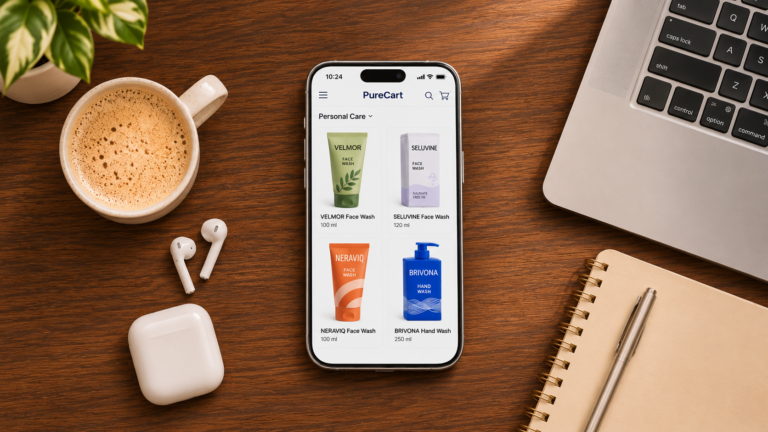
- Clearer: Brand Name Herbal Face Cleanser, 100 ml
A descriptive title helps customers identify the product and distinguish it from similar options.
Use high-quality product images
Use sharp, well-lit product images that show the actual packaging. Make important details such as pack size, quantity, flavour, variant or product format easy to recognise.
Avoid using images that misrepresent the product or make its size and contents unclear.
Write useful product descriptions
Explain the product’s key benefits, ingredients, usage instructions and relevant certifications. Keep the information accurate and easy to scan.
Check category and attribute accuracy
Ensure that the product is assigned to the most relevant category and that its attributes, variant, size and other catalogue details are correct. Incorrect information can make products harder to discover and may confuse customers.
The objective is to make every listing informative, accurate and easy to understand.
Seller Rocket+1
2. Expand Dark Store Availability Strategically
In quick commerce, product availability is closely connected to local fulfilment. A customer can only order a product if it is available in a serviceable location.
This makes dark store coverage an important consideration for brands looking to increase sales on Blinkit.
However, expanding into more locations without understanding demand can increase inventory and operational pressure. A more practical approach is to expand gradually.
How to improve availability:
- Identify the cities and locations where your target customers are concentrated.
- Review sales and demand patterns across existing serviceable locations.
- Discuss expansion opportunities and product performance with your Blinkit category contact.
- Prioritise locations where your product has demonstrated demand.
- Monitor inventory availability and replenishment requirements before expanding.
For example, a beverage brand may first focus on locations where demand is stronger during summer. A personal care brand may prioritise areas where its products are already generating repeat orders.
The aim is not simply to be present in more stores. It is to be available in the locations where customers are most likely to purchase your products.
3. Maintain Consistent Inventory and Avoid Stockouts
A product listing cannot generate orders when the product is unavailable. Frequent stockouts can interrupt sales, affect customer experience and give shoppers a reason to choose competing products.
Inventory planning is therefore one of the most important parts of a Blinkit sales strategy.
Practical inventory management tips:
- Monitor stock levels and sales movement regularly.
- Identify fast-moving and slow-moving SKUs.
- Forecast demand using historical sales and seasonal trends.
- Maintain suitable buffer stock based on replenishment lead times.
- Plan inventory ahead of promotional campaigns and peak-demand periods.
- Coordinate with supply and distribution partners to avoid delays.
- Track product shelf life and ensure stock is suitable for sale.
It is also useful to monitor the availability of individual SKUs rather than looking only at total inventory. A brand may have sufficient stock overall while its most popular variant is unavailable in a high-demand location.
Consistent replenishment helps businesses protect sales opportunities and build a more reliable presence across the quick commerce network.
Seller Rocket+2
4. Develop a Competitive Pricing Strategy
Pricing can influence whether a customer chooses your product or a competing alternative. However, offering the lowest price is not always the best way to increase sales.
Brands need to balance customer value, competitor pricing and profitability.
Consider these approaches:
Monitor competitor prices
Review the pricing of similar products in your category. Compare pack sizes, product quality, features and promotional offers rather than comparing prices alone.
Offer value through bundles
Where permitted and commercially viable, consider multipacks or complementary product combinations. For example, a personal care brand could offer a shampoo and conditioner combination.
Use discounts selectively
Limited-time offers can encourage trial and help attract new customers. However, frequent deep discounts may reduce margins and make customers less willing to purchase at regular prices.
Review your unit economics
Consider product costs, platform-related charges, logistics, promotional expenses and other applicable costs before deciding on a selling price.
Blinkit provides a commissions calculator through Seller Hub to help sellers estimate commissions and expected earnings. Use the available tools and your actual commercial terms to evaluate profitability.
Blinkit+2
5. Use Blinkit Advertising to Improve Product Visibility
Even a well-priced product with an accurate listing may struggle to attract attention in a competitive category. Advertising can help brands improve product visibility and reach shoppers who are browsing or searching for relevant products.
Blinkit’s Seller Hub identifies an ads platform as one of its seller growth tools. Eligible sellers can explore the available advertising options through their account.
Before investing in advertising, consider the following:
- Define the campaign objective: Decide whether you want to improve product discovery, generate more orders or support a new product launch.
- Select relevant products: Prioritise products with competitive pricing, strong listings and reliable inventory.
- Set a realistic budget: Start with a budget that aligns with your margins and sales goals.
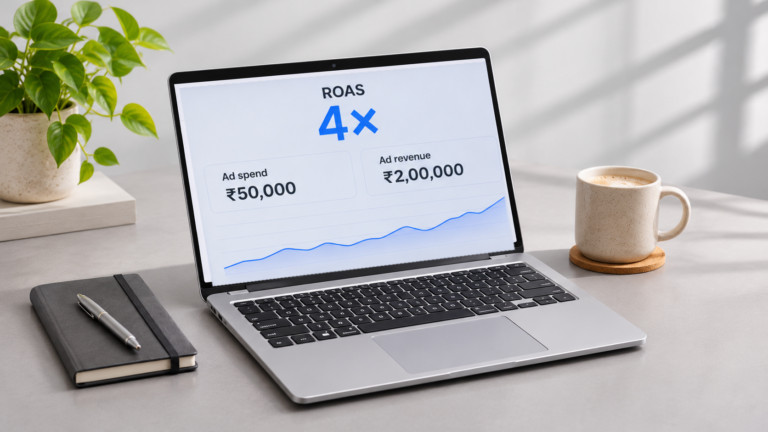
- Monitor performance: Evaluate impressions, clicks, orders, advertising spend and return on ad spend (ROAS), wherever the relevant metrics are available.
- Optimise regularly: Adjust campaigns based on product performance and available reporting.
Advertising works best when the product is ready to convert. Spending more on promotion will not solve issues such as poor product images, uncompetitive pricing or repeated stockouts.
Use advertising to support a strong product and operational foundation, rather than treating it as a substitute for one.
Blinkit+2
6. Participate in Relevant Promotions and Seasonal Campaigns
Promotions can help brands attract attention, encourage product trials and increase sales during periods of higher demand.
Quick commerce purchases are often occasion-driven. Customers may order snacks for a gathering, beverages during summer, cleaning supplies before festivals or personal care products when they run out.
Brands can plan their promotions around:
- Festivals: Diwali, Holi, Navratri and other relevant occasions.
- Seasonal demand: Summer beverages, monsoon essentials and winter personal care.
- Weekend shopping: Products suited to household restocking and social gatherings.
- Product launches: Introductory offers that encourage customers to try a new product.
- Category-specific events: Relevant promotional campaigns offered by the platform.
Before participating, check the campaign’s eligibility, discount requirements, funding arrangement and expected margins with your Blinkit contact.
Do not join every promotion simply to increase order volume. Select campaigns that align with your product, audience and profitability goals.
Seller Rocket+1
7. Analyse Sales Data and Identify Best-Selling Products
Sales growth becomes easier to manage when decisions are based on actual performance rather than assumptions.
Blinkit’s Seller Hub highlights tools such as keyword analytics, a commissions calculator and advertising support. These can help sellers understand product opportunities, evaluate pricing and improve visibility.
Use available reports and business data to answer questions such as:
- Which products generate the highest number of orders?
- Which SKUs have the strongest sales movement?
- Are certain locations performing better than others?
- Which products experience frequent stockouts?
- Are promotional campaigns generating profitable sales?
- Which products attract repeat purchases?
- Are customers responding to changes in pricing or product presentation?
For example, if one variant consistently sells faster than other variants, you may need to prioritise its replenishment. If a product receives visibility but does not convert, review its price, images, product details and customer feedback.
Regular analysis helps brands allocate inventory and marketing budgets to products with stronger growth potential.
Blinkit+2
8. Monitor Customer Feedback and Improve Product Experience
Sales growth is not only about attracting new customers. It is also about giving existing customers a reason to purchase again.
Customer ratings, reviews and feedback can reveal issues that may not be visible in sales reports.
Pay attention to recurring comments about:
- Product quality and performance.
- Packaging damage or leakage.
- Incorrect product variants or quantities.
- Product freshness and shelf life.
- Missing or unclear product information.
- Differences between product images and the delivered item.
Use genuine customer feedback to identify product or operational improvements. Ensure that product descriptions and images accurately represent what customers receive.
For brands selling frequently purchased products such as snacks, beverages, household essentials and personal care items, a consistent customer experience can support repeat demand and long-term growth.
Key Factors That Influence Sales on Blinkit
| Growth factor | What sellers should focus on | Expected benefit |
| Product listing optimisation | Clear product titles, high-quality images, accurate descriptions and categories | Better product understanding and discoverability |
| Dark store availability | Expanding into relevant locations based on customer demand | Reaching more potential customers |
| Inventory management | Regular stock monitoring, demand forecasting and timely replenishment | Fewer stockouts and more consistent availability |
| Competitive pricing | Monitoring competitor prices, offering suitable bundles and reviewing margins | Improved purchase consideration and profitability |
| Blinkit advertising | Promoting relevant products and monitoring campaign performance | Increased product visibility |
| Seasonal promotions | Planning offers around festivals, seasons and category demand | Higher product interest during relevant periods |
| Sales data analysis | Tracking SKU performance, orders, location-wise demand and conversions | Better business and inventory decisions |
| Customer feedback | Reviewing product ratings, quality concerns and customer experience | Improved customer satisfaction and repeat purchases |
Common Mistakes to Avoid When Selling on Blinkit
Even with a good product and an attractive listing, certain mistakes can limit sales growth. Watch out for these issues:
- Treating Blinkit like a traditional marketplace: Quick commerce requires attention to local availability, replenishment and immediate purchase behaviour.
- Expanding too quickly: Entering multiple locations without sufficient demand or inventory planning can increase operational costs.
- Ignoring listing quality: Unclear titles, poor images and incomplete product information can affect customer confidence.
- Relying entirely on discounts: Frequent discounting can put pressure on margins without building sustainable demand.
- Advertising products that are not ready to convert: Poor listings, stockouts and uncompetitive pricing can reduce the effectiveness of campaigns.
- Not tracking individual SKU performance: Looking only at total sales can hide opportunities and inventory problems at the product level.
- Ignoring profitability: Higher order volumes do not necessarily translate into higher profits. Evaluate the complete cost of selling.
How to Build a Sustainable Blinkit Sales Growth Strategy
A successful quick commerce strategy requires coordination between product, pricing, inventory, marketing and operations.
Rather than making multiple changes at once, brands can follow a structured approach:
| Stage | What to focus on | Key action |
| Listing optimisation | Product discoverability | Improve titles, images, descriptions and categories |
| Availability | Inventory readiness | Monitor stock and replenishment |
| Initial growth | Product performance | Identify fast-moving SKUs and strong locations |
| Visibility | Marketing and promotions | Test eligible advertising and promotional opportunities |
| Expansion | Demand and profitability | Prioritise locations and products with proven potential |
| Long-term growth | Performance analysis | Review sales, margins, repeat demand and customer feedback |
This approach helps brands understand what is driving sales and where improvements are needed.
Final Thoughts
Getting listed on Blinkit is an important milestone, but sustainable growth depends on what happens after your products go live. Brands need to focus on product listing quality, local availability, inventory planning, competitive pricing, advertising and continuous performance monitoring.
The quick commerce market rewards businesses that can respond to customer demand while maintaining operational consistency. A product that is easy to discover, available when customers need it and priced appropriately has a stronger opportunity to generate repeat orders.
If you are exploring how to sell your product on Blinkit, remember that long-term success is not just about getting more orders. It is about building a profitable and scalable presence through the right combination of visibility, availability and customer experience.
Looking to grow your brand across quick commerce platforms? RB2F can help businesses strengthen their digital presence and develop performance-focused growth strategies.
Frequently Asked Questions
1. How can I increase sales on Blinkit after getting listed?
You can increase sales by optimising product titles and images, maintaining inventory availability, expanding into relevant locations, using competitive pricing and participating in suitable promotions. Regularly analysing SKU-level performance also helps identify growth opportunities.
2. How do I sell my product on Blinkit?
Register through the official Blinkit Seller Hub, submit your business and brand details, complete the required verification, create product listings and follow the platform’s instructions for supplying inventory.
3. What products can businesses sell on Blinkit?
Blinkit offers products across multiple categories, including groceries, snacks, beverages, personal care, household essentials and other consumer products. Product eligibility and listing approval depend on the platform’s requirements and applicable category regulations.
4. How important is inventory management for Blinkit sellers?
Inventory management is essential because product availability influences whether customers can place orders in their locations. Monitoring stock levels, forecasting demand and replenishing fast-moving products helps reduce stockouts and protect sales opportunities.
5. Can advertising help increase sales on Blinkit?
Yes. Blinkit’s Seller Hub provides access to advertising tools that eligible sellers can use to improve product visibility. Campaigns should be supported by competitive pricing, accurate listings and sufficient inventory, with performance monitored against advertising spend and sales.

I lead digital growth strategies at RB2F, specialising in performance marketing, paid media, CRO, and data-driven brand growth. With experience partnering with 90+ brands and managing $5M+ in ad spends, I focus on building scalable digital strategies that drive measurable business outcomes.